
The Hidden Hand: A look at the professional translation services working behind the scenes of a high-pressure corporate merger where every comma counts.


The boardroom on the forty-second floor was silent, save for the rhythmic, anxious clicking of a single silver pen. It was 3:14 AM in New York, which meant it was mid-morning in Frankfurt, and the two teams of lawyers were staring at a glowing screen that held the fate of a three-billion-dollar acquisition. We were there, too, though not physically seated at the mahogany table. We were the silent observers, the linguistic architects working in the digital shadows to ensure that every word, every nuance, and every punctuation mark aligned perfectly across two vastly different legal and cultural systems. In our 35 years of experience, we have learned that a merger is never just a union of balance sheets and intellectual property; it is a collision of worlds, and if the language used to bridge them is structurally unsound, the entire architecture can crumble under the weight of a single mistranslated clause.

The stakes were staggering. In a year where cross-border mergers and acquisitions have climbed toward the trillion-dollar mark globally, the pressure to close quickly often rivals the pressure to be precise. But we know that speed without accuracy is merely a faster way to reach a disaster. Our team had been working in shifts for seventy-two hours, handling a mountain of due diligence reports, financial disclosures, and asset purchase agreements. When a major American tech firm decides to absorb a German engineering giant, the sheer volume of documentation is enough to bury a small city. Yet, 75% of global businesses consider accurate translation crucial for their success in these deals, and for good reason. A single misunderstanding of a liability clause or a misinterpretation of a “reasonable efforts” standard can lead to years of litigation and millions in lost revenue.
As we navigated the labyrinth of these documents, our focus was not merely on replacing German words with English ones. That is the fundamental mistake many companies make when they rely on automated tools or less experienced agencies. They assume that translation is a mechanical process, a simple exchange of vocabulary. But in the high-stakes world of international M&A, we operate with a different philosophy. We utilize professional translation services that rely on Master’s-level linguists who are also subject matter experts in corporate law and international finance. These are people who understand that a “comma” is not just a grammatical pause; in a legal contract, it can be the difference between an inclusive list and a restrictive one.
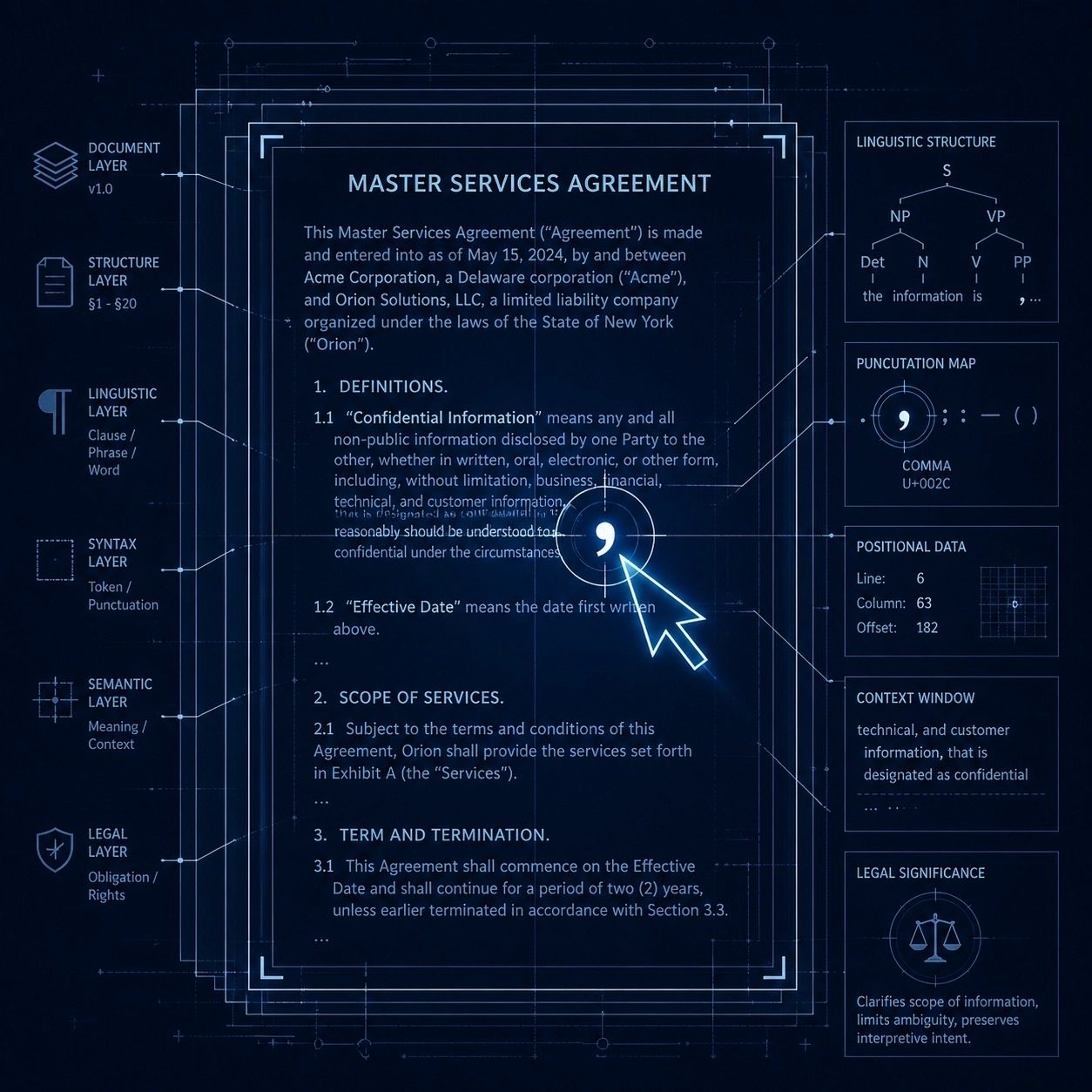
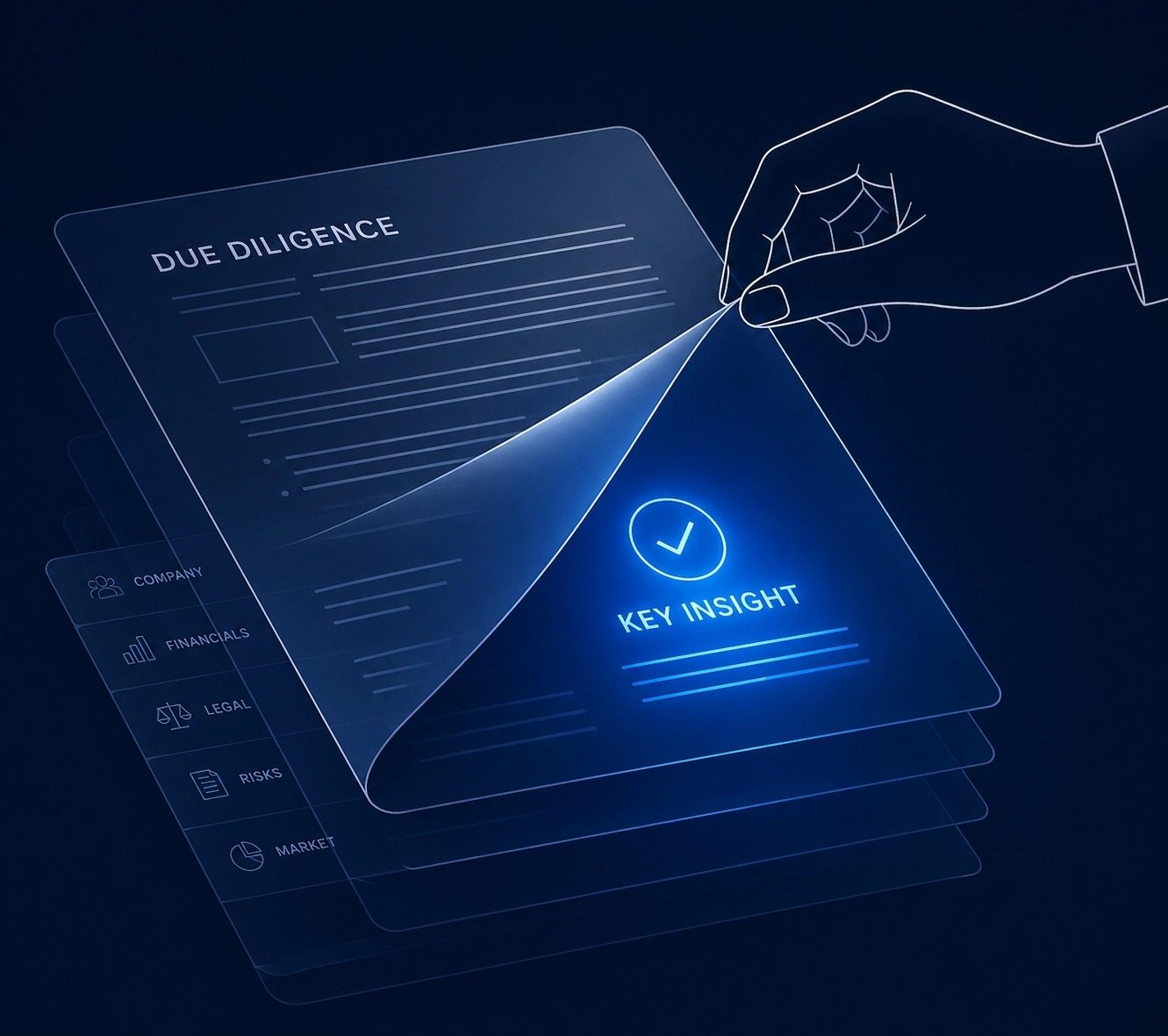
The night grew deeper, and the coffee grew colder. We were deep into the “Disclosure Schedule,” a document that lists every potential legal or financial skeleton in the closet of the company being acquired. This is where the “hidden hand” of the translator becomes most vital. A sentence in the original German document described a pending environmental regulatory review. In the first draft provided by an uncertified source, the sentence suggested the review was “complete and satisfied.” However, our Master’s-level linguist, sensing a nuance in the specific German verb tense used, dug deeper into the local regulatory context. It turned out the review was “ongoing, with preliminary satisfaction of initial phases.” To an outsider, the difference might seem pedantic. To a Chief Financial Officer, it represents a massive potential liability that hasn’t been cleared. If we had not caught that distinction, the American firm would have signed a contract believing they were buying a clean slate, only to inherit a multimillion-dollar environmental fine three months later.
This is the reality of our work at Auerbach International. We have spent three and a half decades witnessing the silent catastrophes that occur when language is treated as an afterthought. Americans often assume that because English is the “language of business,” everyone is on the same page. But “good faith” in a New York court does not carry the same historical and legal weight as “Treu und Glauben” in Germany. If you do not have a translator who understands the deep-seated legal traditions of both jurisdictions, then you are not really communicating; you are just guessing. And in a merger of this magnitude, guessing is the most expensive thing you can do.
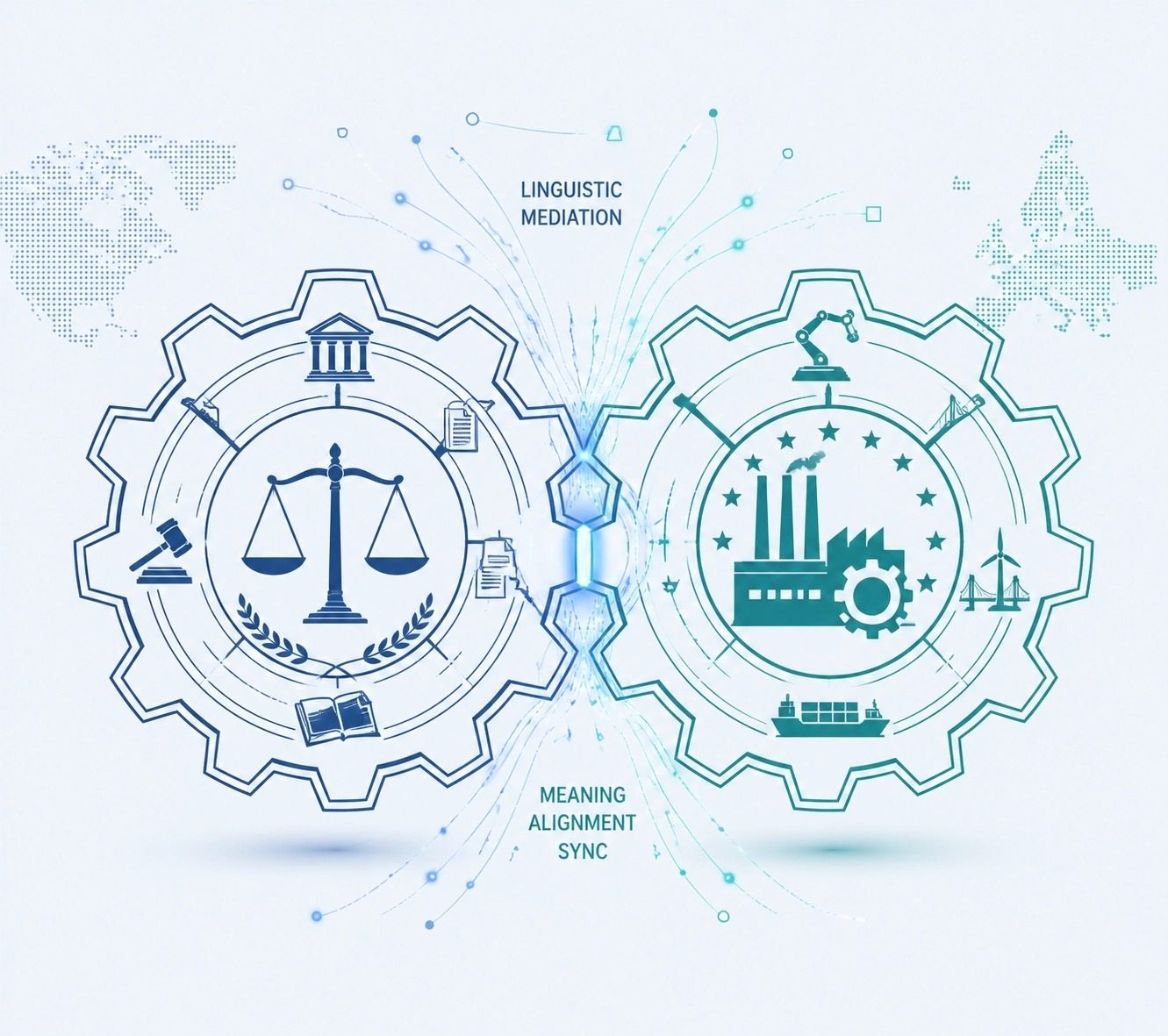
The clock struck 4:30 AM. The lawyers in New York were starting to fray. A heated debate broke out over the term “indemnification.” The German side was using a term that implied a broader scope of protection than the Americans were willing to grant. We were called into a secure video conference to explain the linguistic discrepancy. Our role in that moment was not just as translators, but as cultural and legal mediators. We explained that the literal translation of the German term suggested a level of “making whole” that exceeded the standard American definition of indemnity. By suggesting a third, more neutral term that satisfied the legal requirements of both countries, we allowed the negotiations to move forward. The tension in the room visibly dissipated. It was a victory for precision, a moment where the right word acted as a key to a locked door.
People often ask us why we don’t just use the latest artificial intelligence to handle these high-pressure deals. The answer lies in the very nature of human nuance. While AI has certainly improved, it lacks the ability to understand the “why” behind a specific phrasing. It cannot sense the tension in a boardroom or understand the strategic intent behind a deliberately vague clause. Our Master’s-level experts, however, can read between the lines. They know when a lawyer is trying to hedge a bet and when a financial officer is being overly optimistic. In essence, we provide the human intelligence that validates the data. We provide the certainty that allows a CEO to pick up the pen and sign with confidence.
As the sun began to rise over the Manhattan skyline, the final versions of the documents were being compiled for signature. The thousands of pages we had processed were now a seamless, unified body of work. Every comma was in its place. Every technical term had been verified against the specific industry standards of both nations. Every financial statement had been cross-referenced to ensure that the currency conversions and accounting principles were transparent. We were exhausted, but there is a specific kind of professional satisfaction that comes from knowing you were the invisible bridge that prevented a multi-billion-dollar collision.
If a company attempts to navigate these waters without a partner who brings 35 years of experience to the table, they are essentially sailing through a minefield without a map. They might make it to the other side, but the risks are astronomical. In the world of international business, your reputation is built on the strength of your word, and your word is only as good as its translation. Whether it is a merger, a joint venture, or a high-level partnership, the “hidden hand” of the professional linguist is what ensures that the handshake at the end of the deal actually means what both parties think it means.

The final digital signatures were applied at 6:00 AM New York time. The deal was official. The news would hit the wires in an hour, and the markets would react to the news of a “seamless transition” and a “perfectly aligned global strategy.” No one in the public would ever know about the debate over the environmental disclosure or the two-hour argument over the definition of indemnity. No one would see the frantic, precise corrections made to the Disclosure Schedule in the middle of the night. But we knew. And the clients knew. They understood that the success of their merger didn’t just happen in the boardroom; it happened in the quiet, meticulous work of the linguists who ensured that nothing was lost in translation. In the end, the most powerful hand in the room was the one that knew exactly where to place the comma.