

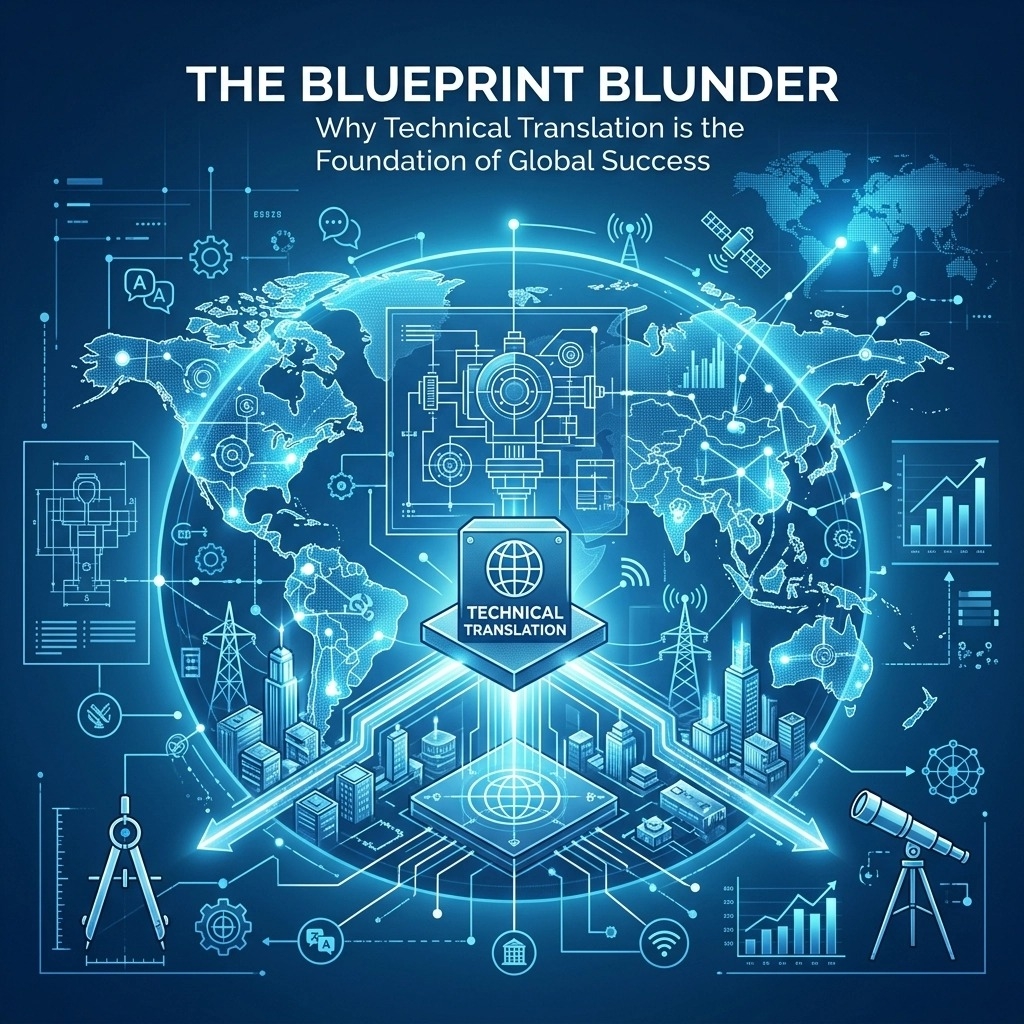
The morning air in Munich was crisp, the kind of cold that bites through a wool coat and reminds you exactly how far you are from the temperate offices of Chicago. Marcus Thorne stood at the edge of the construction site for Project Glacier, a forty-million-dollar data center designed to house the digital heartbeat of a pan-European banking consortium. As the lead project manager for an American engineering giant, Marcus was used to high stakes, but this was different. The sheer scale of the cooling arrays and the precision required for the subterranean ventilation systems meant there was no room for error. He watched as the German contractors huddled over a set of schematics, their brows furrowed in a way that usually signaled a looming delay. Marcus had pushed for this project to stay under budget, and one of his proudest line-item "wins" had been sourcing a local, low-cost translation firm to handle the conversion of the primary blueprints from English into German. He had reasoned that a pipe was a pipe and a bolt was a bolt regardless of the language, and paying for Master's-level linguists through a premium service felt like an unnecessary luxury at the time.

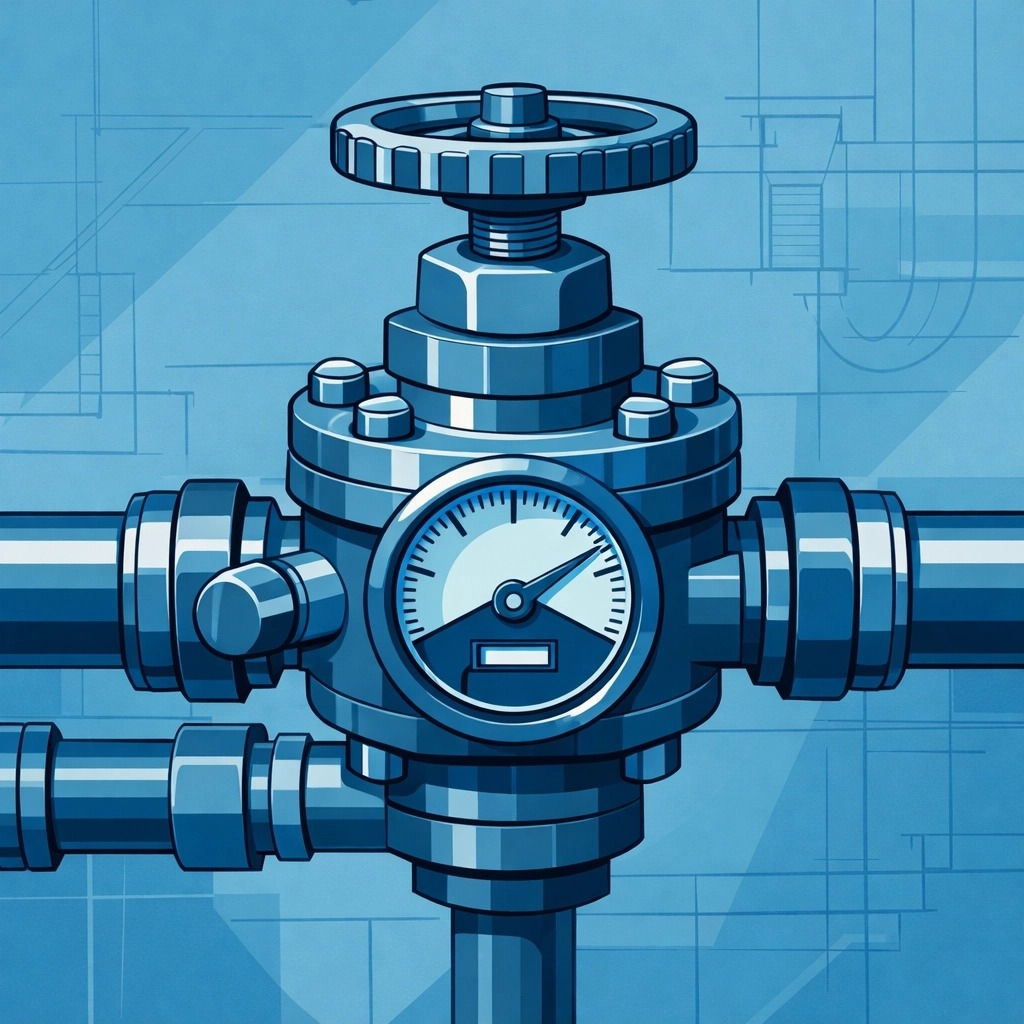
By noon, the atmosphere on the site had shifted from focused productivity to palpable dread. The head foreman, a man named Klaus who had built half the skyline of Munich, walked toward Marcus with a heavy gait, holding a digital tablet that displayed the translated specifications for the secondary coolant loop. Klaus pointed to a specific section regarding the "relief valve tolerance" and the "venting manifold." In the English original, the blueprints specified a very particular type of pressurerelief mechanism designed to engage at a specific atmospheric threshold. However, the translated German document had used a term that more closely resembled "drainage outlet" in a plumbing context. To a general translator, the difference might have seemed negligible, but in the high-pressure world of industrial cooling, the two terms described entirely different mechanical functions. Because of this subtle linguistic shift, the German engineering team had installed a series of gravity-fed drains where a sophisticated pneumatic venting system should have been. The foundation of the entire facility was now integrated with hardware that was fundamentally incapable of handling the gasbased cooling cycles the system required.
Marcus felt a cold sweat that had nothing to do with the Bavarian wind. He realized that by seeking a shortcut in technical translation services, he had effectively introduced a structural flaw into the very DNA of the project. The translation firm he had hired used a mix of basic machine algorithms and junior-level staff who lacked the specific engineering background to understand the difference between fluid hydraulics and gas-pressure dynamics. They had provided a literal translation of words without any comprehension of the technical reality behind them. As Marcus looked at the blueprints, he saw that the error wasn't just a single word; it was a cascading failure of meaning. Because the initial term for the valve was incorrect, every subsequent instruction regarding the installation, the safety protocols, and the integration with the central nervous system of the data center was now fundamentally flawed.
The cost of this "Blueprint Blunder" began to manifest in real-time. To fix the error, the team would have to tear out three weeks of specialized concrete work and replace nearly a kilometer of customfabricated piping that was now useless. The delay alone would trigger penalty clauses in the contract that dwarfed the entire budget Marcus had "saved" on his translation choices. He sat in his trailer, staring at the website for Auerbach International, remembering the proposal he had rejected months earlier. That proposal had emphasized the use of Master's-level subject matter experts: people who didn't just speak German and English, but who held advanced degrees in mechanical and civil engineering. They had warned him that technical documents are not just words on a page; they are instructions for physical reality, and if the instructions are wrong, reality eventually breaks.
As the weeks turned into months, the recovery process for Project Glacier became a case study in why technical translation is the actual foundation of any global venture. Marcus had to explain to his board of directors why a forty-million-dollar project was now trending toward fifty-five million. He had to explain that the failure didn't stem from a faulty part or a lazy worker, but from a single mistranslated noun that had been copied and pasted through a thousand pages of documentation. The board, largely composed of pragmatic business leaders, struggled to understand how a language service could be so critical until Marcus showed them the physical result: a pile of discarded steel and a massive hole in the ground where a functioning facility should have been. The "affordable" translation had cost them millions in materials, labor, and, most importantly, the trust of their European partners.
The internal audit that followed was brutal. It revealed that the junior translators had also struggled with the nuances of local German building codes, which were referenced throughout the English specs. Instead of researching the equivalent German DIN standards, the translators had simply translated the names of the American standards literally. This meant the German contractors were looking for parts and certifications that didn't exist in their market, leading to further improvisations that compromised the safety of the entire electrical grid within the building. It became clear that profes- sional document translation is not about swapping words; it is about the cultural and technical mapping of one reality onto another. Without that precision, a project is built on sand.

Marcus eventually reached out to the experts he had originally bypassed. He needed a team that could perform a forensic linguistic audit of the remaining ten thousand pages of documentation to ensure no other "ghosts" were hiding in the text. This time, there was no talk of cutting corners. The new team of linguists moved with surgical precision, identifying hundreds of minor inconsistencies that, if left uncorrected, would have led to further failures during the facility's commissioning phase. They corrected the "yield strength" specifications that had been mistranslated as "tensile durability," and they fixed the calibration instructions for the environmental sensors that had been bungled by a translator who didn't understand the difference between Celsius and Fahrenheit in a scripted programming context.
The lesson was learned at a staggering price. When Project Glacier finally went live, eighteen months behind schedule and significantly over budget, Marcus was there to see the first servers blink to life. He no longer saw translation as a peripheral administrative task to be delegated to the lowest bidder. He saw it as the primary risk-management tool for any international operation. He realized that in the world of global engineering, the person who translates the blueprint is just as important as the person who draws it. If the bridge between the designer's intent and the builder's understanding is weak, the entire structure will eventually collapse under the weight of its own misunderstanding.

Today, Marcus is a vocal advocate for high-fidelity language services in the engineering community. He often shares the story of the Munich data center as a cautionary tale to young project managers who think they can outsmart the market by using automated tools or unvetted agencies. He tells them that the most expensive translation is always the one you have to do twice, and the cheapest one is the one that is done right the first time by a Master's-level professional. For those looking to avoid his mistakes, the path is simple: never underestimate the power of a single word to dismantle a dream. Whether you are building a data center in Germany or a bridge in Brazil, your first step should always be a translation-quote-request from a partner who understands that accuracy is the only currency that matters.
The data center now stands as a testament to the resilience of the engineering team, but for Marcus, it remains a monument to a mistake he will never make again. Global success is built on the bedrock of clear communication, and when that communication involves the complexities of technical specifications, there is no substitute for human expertise. The blueprints for the future are being written every day, and they are being written in a thousand different languages. The companies that thrive will be the ones that ensure nothing is lost in translation, recognizing that a truly global firm is only as strong as its most accurately translated sentence. In the end, Project Glacier was saved, but the scars on the budget and the timeline remain a permanent reminder that in the high-stakes world of international industry, precision is not a luxury( it is the foundation of everything.)

