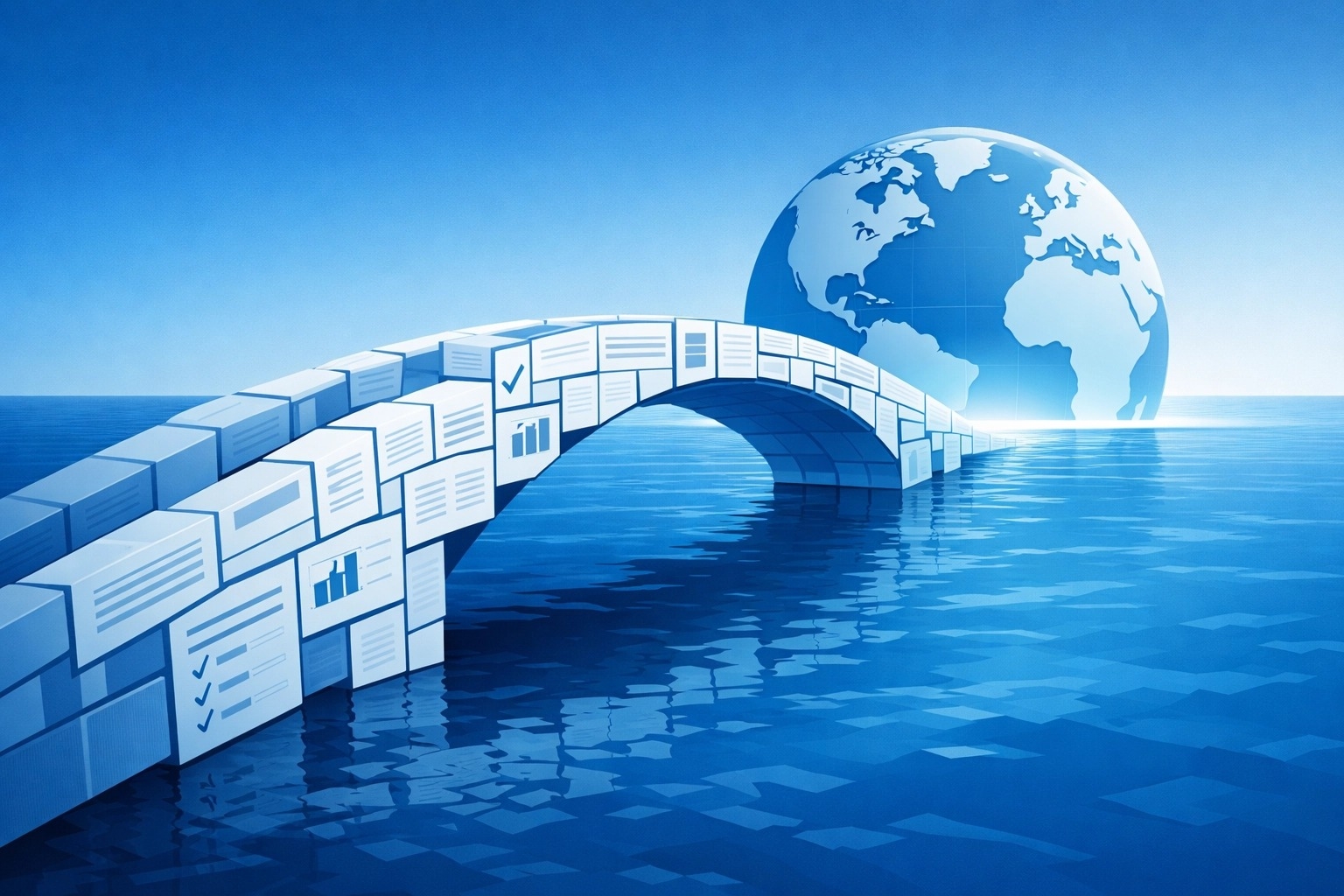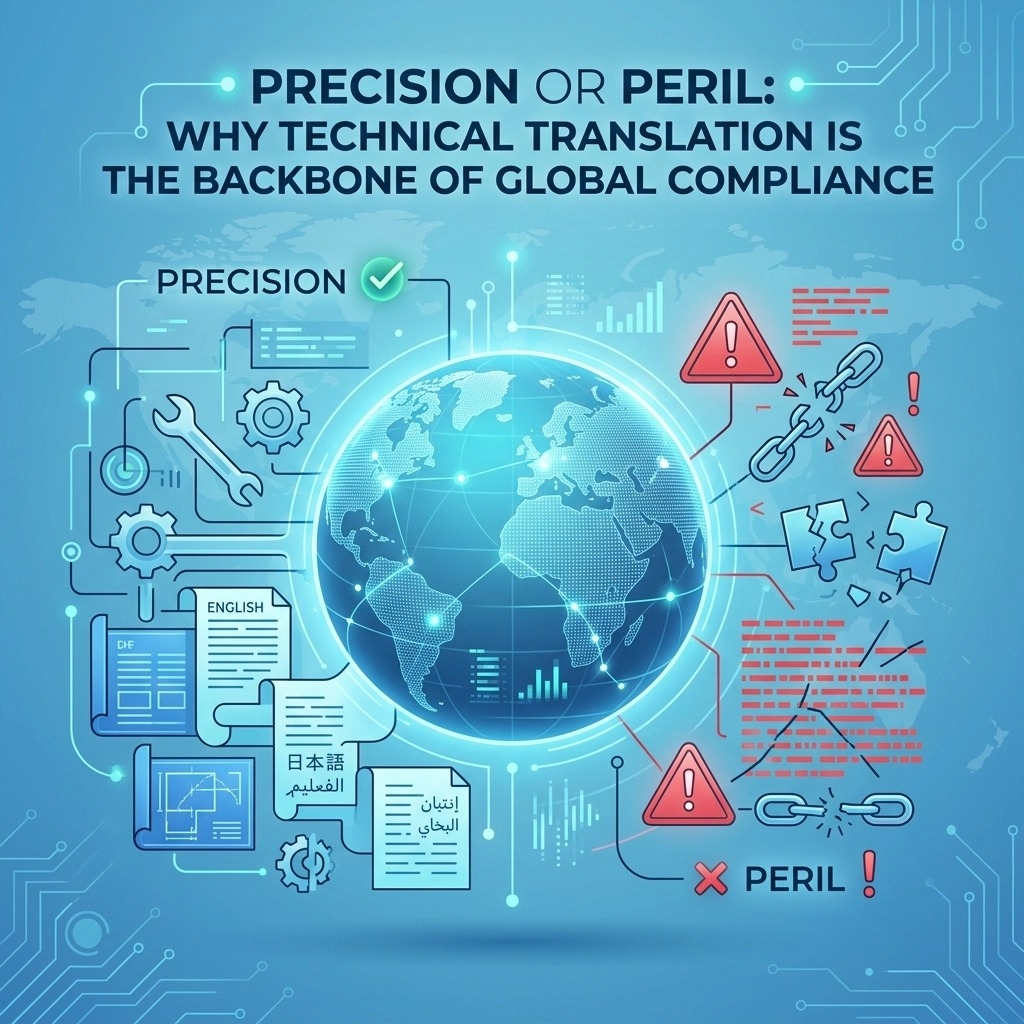
The sun had not yet risen over the industrial port of Antwerp when the first crate of high-precision medical imaging equipment was hoisted from the cargo ship. To the dockworkers, it was just another shipment of expensive German engineering destined for a network of hospitals across the European Union. To the manufacturer, it represented years of research and millions of dollars in investment. But to the regulatory inspectors waiting in a nondescript office nearby, the entire shipment was nothing more than a potential liability. The equipment was perfect, the engineering was flawless, and the safety features were state-of-the-art. However, the documentation accompanying the shipment contained a single recurring mistranslation regarding the calibration of the primary radiation shield. In that moment, the bridge between innovative engineering and global market access began to crumble. This scenario is not a work of fiction but a daily reality for companies navigating the complex waters of international trade, where the difference between a successful launch and a catastrophic regulatory freeze often hinges on the quality of a single translated sentence.
In the world of global business, we often treat translation as an afterthought: a final checkbox to be ticked once the real work of design and manufacturing is complete. We assume that if the product works, the manual will follow. Yet, when dealing with technical specifications, safety protocols, and environmental reports, the translation is not just a supplement to the product; it is a critical component of the product itself. Without accurate technical translation services, a machine is legally inoperable in most foreign jurisdictions. It is a reality that many American firms learn the hard way when their goods are held at customs or when they face a sudden influx of non-compliance citations. The backbone of global compliance is not the physical steel or the digital code, but the linguistic precision that allows those elements to be safely and legally utilized across borders.
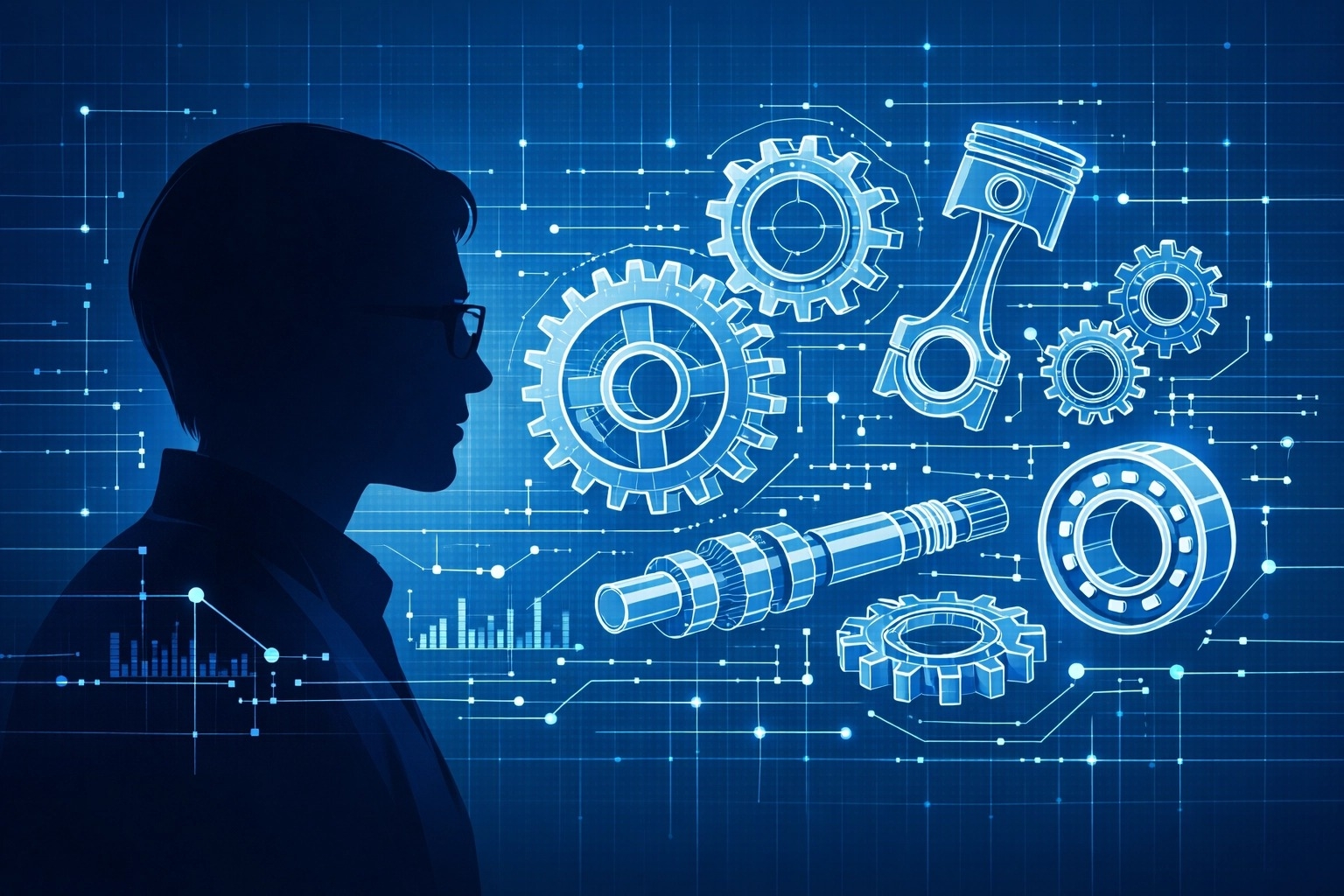
Consider for a moment the immense pressure placed upon the shoulders of a linguist tasked with translating a three-thousand-page manual for an industrial turbine. In this environment, the luxury of creative interpretation does not exist. A technical translator must possess more than just bilingual fluency; they must have a deep, functional understanding of specialized terminology and dimensional specifications. They must understand the physics of the machine as well as the grammar of the target language. This is why at Auerbach International, we emphasize the necessity of Master's-level linguists who specialize in specific niche fields. If a translator does not understand the difference between torque and tension in their primary language, they cannot possibly hope to convey the nuance of those concepts in another. A single misinterpreted term across a massive volume of engineering documentation can cascade into inconsistencies that directly affect safety, usability, and regulatory acceptance.
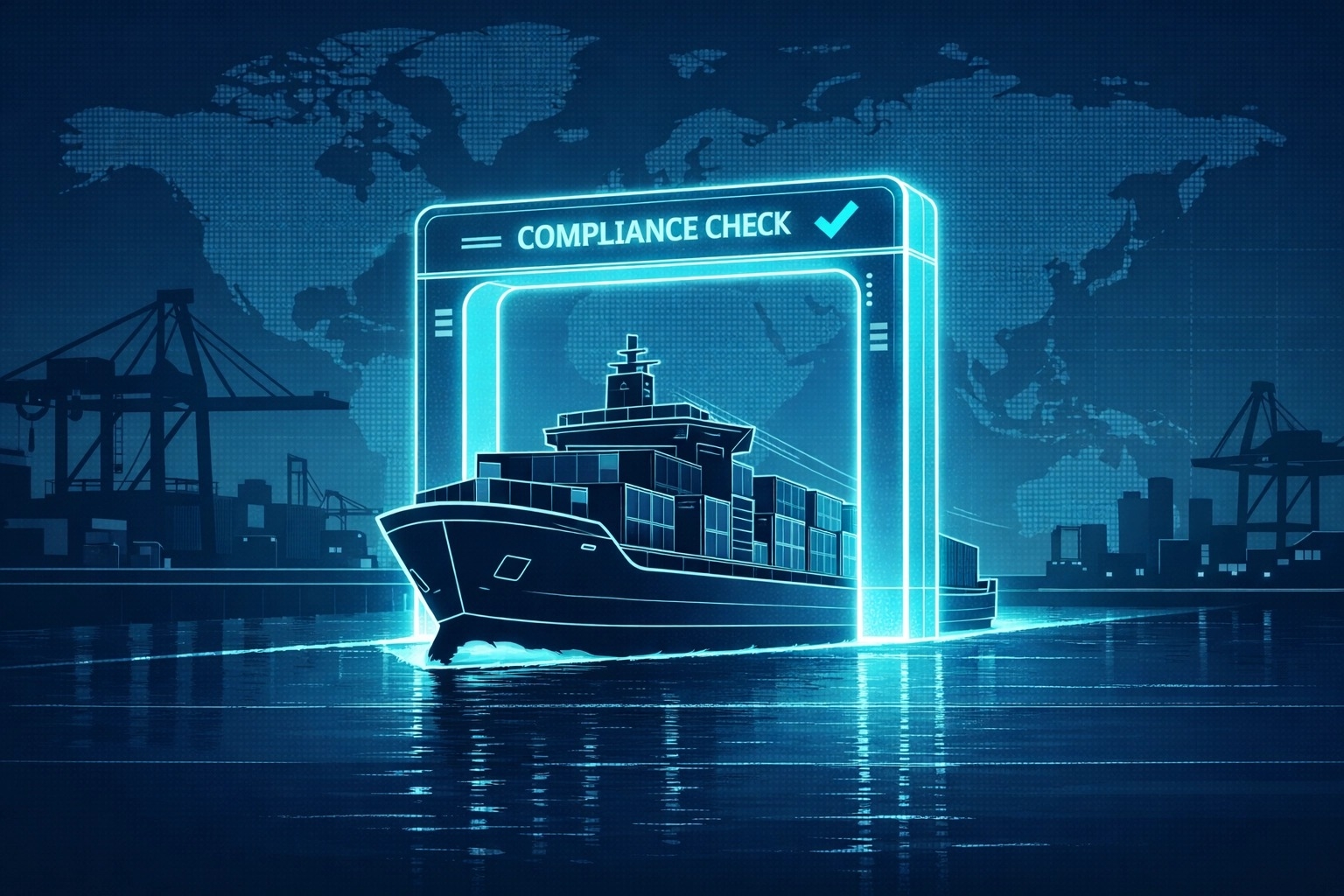
The regulatory landscape is unforgiving, particularly within the European Union. The Machinery Directive (2006/42/EC) is a formidable gatekeeper, mandating that machinery instructions must appear in the official language of each member state where the product is sold. This is not a suggestion; it is a legal requirement for obtaining the CE marking. Without this mark, your product literally cannot cross the border. Imagine the operational chaos that ensues when a company realizes that their instructions for a fleet of excavators were translated by a generalist who missed the specific safety warnings required by local law. The cost of the translation itself is a drop in the ocean compared to the cost of a halted supply chain, the storage fees at the port, and the potential for legal action. When we discuss document translation, we are really discussing risk management.
Often, the peril lies not in the words themselves, but in the lack of consistency across global teams. When a company operates in twenty different countries, version-control becomes a nightmare. If a safety protocol is updated in the English master document, that change must propagate through every translated version with surgical precision. Inconsistent technical translations force global teams to rework materials, creating delays that can last for months. This is where the marriage of human expertise and terminology management systems becomes essential. By maintaining a centralized database of approved technical terms, companies can ensure that "Component A" is always referred to as "Component A" in every language, avoiding the confusion that leads to environmental or occupational harm. This level of certified document translation is the only way to safeguard a brand's reputation and its bottom line.
Is "good enough" ever really good enough when safety is on the line? Americans who challenge the necessity of high-level linguistic expertise often don't understand the cultural and legal weight that other nations place on technical accuracy. In some jurisdictions, an error in a safety manual isn't just a mistake; it's a criminal offense. If a mistranslated instruction leads to a workplace injury, the company cannot simply apologize and move on. They face a mountain of litigation and a permanent stain on their global standing. In essence, the cost of precision is a one-time investment, while the cost of peril is an ongoing liability. When we look at the backbone of global compliance, we see a structure built on the meticulous work of Master's-level professionals who understand that their work is the final line of defense against catastrophe.
The physics of a global launch are simple: the more complex the product, the more critical the translation. From medical devices that must meet stringent ISO standards to chemical containers requiring precise environmental hazard warnings, the stakes are perpetually high. Many businesses attempt to cut corners by utilizing automated tools or non-specialized agencies, only to find that the machine translation lacks the context to understand industry-specific jargon. A machine might translate "crane" as a bird rather than a piece of lifting equipment if the context is even slightly ambiguous. While AI has its place in modern workflows, it cannot replace the nuanced judgment of an expert who understands that a semicolon in a technical manual can be the difference between a successful operation and a total system failure.
Beyond the immediate safety risks, there is the matter of environmental and social governance. Global compliance now encompasses a wide array of reporting requirements regarding sustainability and ethical sourcing. These reports are scrutinized by investors, regulators, and the public. If a company’s environmental impact report is mistranslated, it can lead to accusations of "greenwashing" or regulatory penalties. The transparency required in modern business demands a level of legal translation services that can withstand the highest levels of scrutiny. It is about building a narrative of trust with every market you enter. When a client in Japan or Brazil reads your technical documentation, they should feel the same level of confidence as a client in New York. That confidence is the currency of international expansion.
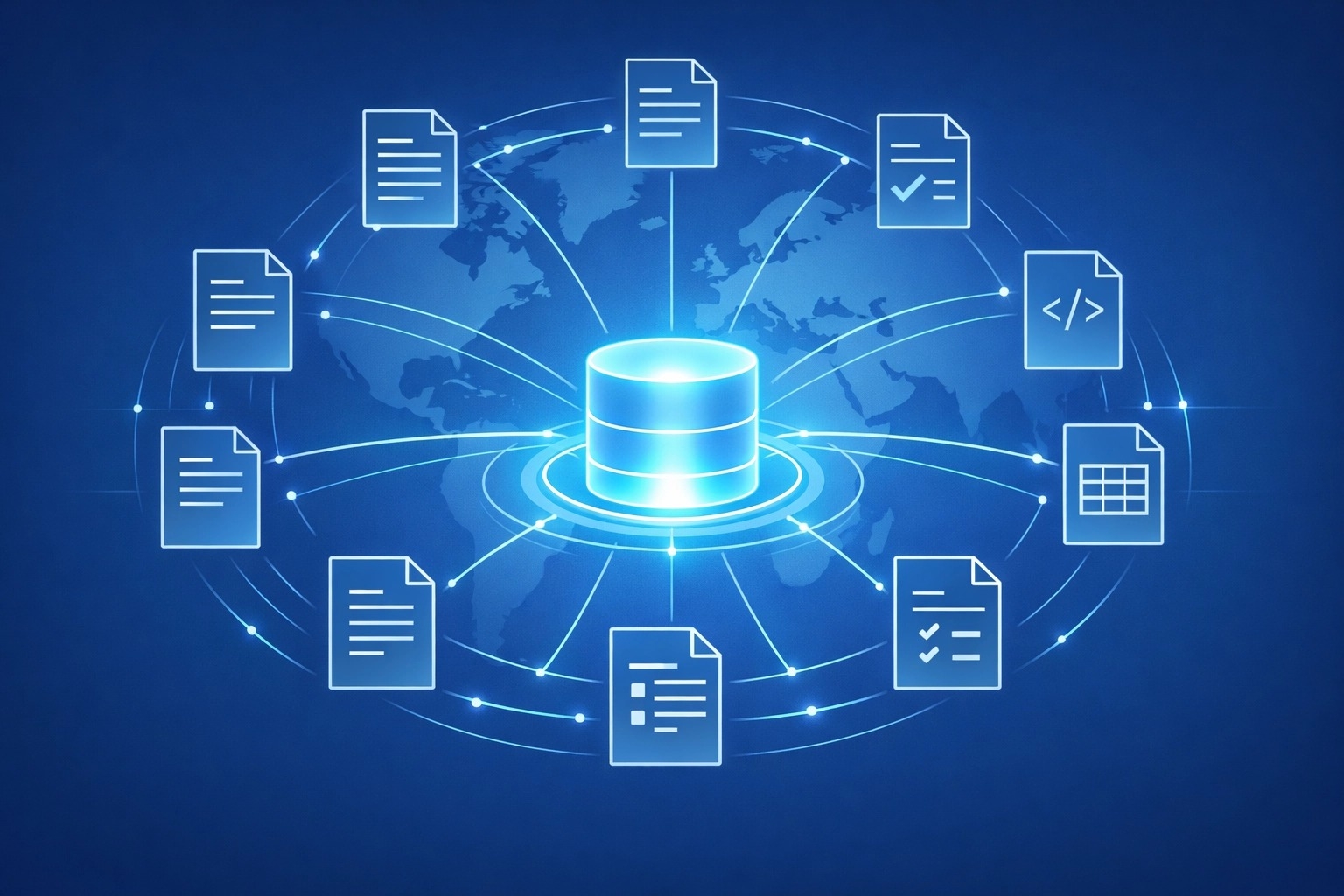
We have seen countless examples of the "Echo Effect," where a single error in a source document is amplified across dozens of languages, creating a chorus of confusion that takes years to silence. To avoid this, a proactive approach to language services and translation must be integrated into the product development lifecycle from day one. This means involving translation experts during the drafting of the original English content to ensure that the language used is "translation-ready": clear, concise, and free of localized idioms that don't translate well. This strategy not only improves the quality of the final output but also significantly reduces the time and cost associated with the translation process.
Ultimately, the choice between precision and peril is a choice between a stable global presence and a precarious one. The backbone of global compliance is strong only if its individual vertebrae: the words, the terms, and the instructions: are aligned perfectly. As we look toward an increasingly interconnected future, the companies that thrive will be those that recognize translation as a strategic asset rather than a back-office expense. They will be the ones who partner with experts who offer more than just words; they offer the peace of mind that comes from knowing every "if...then" statement in their manuals will hold up under the weight of international law.
If you find yourself questioning whether your current technical documentation is a bridge or a barrier, it is time to reassess your linguistic strategy. The global marketplace does not offer participation trophies; it offers rewards for those who respect the complexity of communication and punishments for those who ignore it. In essence, your global compliance is only as strong as your weakest translation. By choosing to work with Master's-level linguists and emphasizing a culture of precision, you are not just translating words; you are translating your commitment to quality and safety for the entire world to see. Whether you are seeking a translation quote request for a new project or simply looking to audit your existing materials, remember that the backbone of your business deserves nothing less than total accuracy.
The journey from a local success to a global leader is paved with documentation. Every manual, every safety sheet, and every compliance report is a step on that path. When those steps are solid, the climb is manageable. When they are cracked by inaccuracies, the fall can be devastating. Choose the path of precision. Ensure that your technical translation is the unbreakable backbone that supports your global ambitions, allowing you to cross borders with confidence and lead your industry into a new era of international excellence. The world is watching, and more importantly, the world is reading. Make sure what they read is exactly what you meant to say.